Zafar Mahal
Palace, Tombs, Mosque From Mughal Era
Description
The biting rays of the summer's sun have permeated the atmosphere. Seeking the refuge from the pervasive heat, the royal family retreats to quiet jungles of Mehrauli.
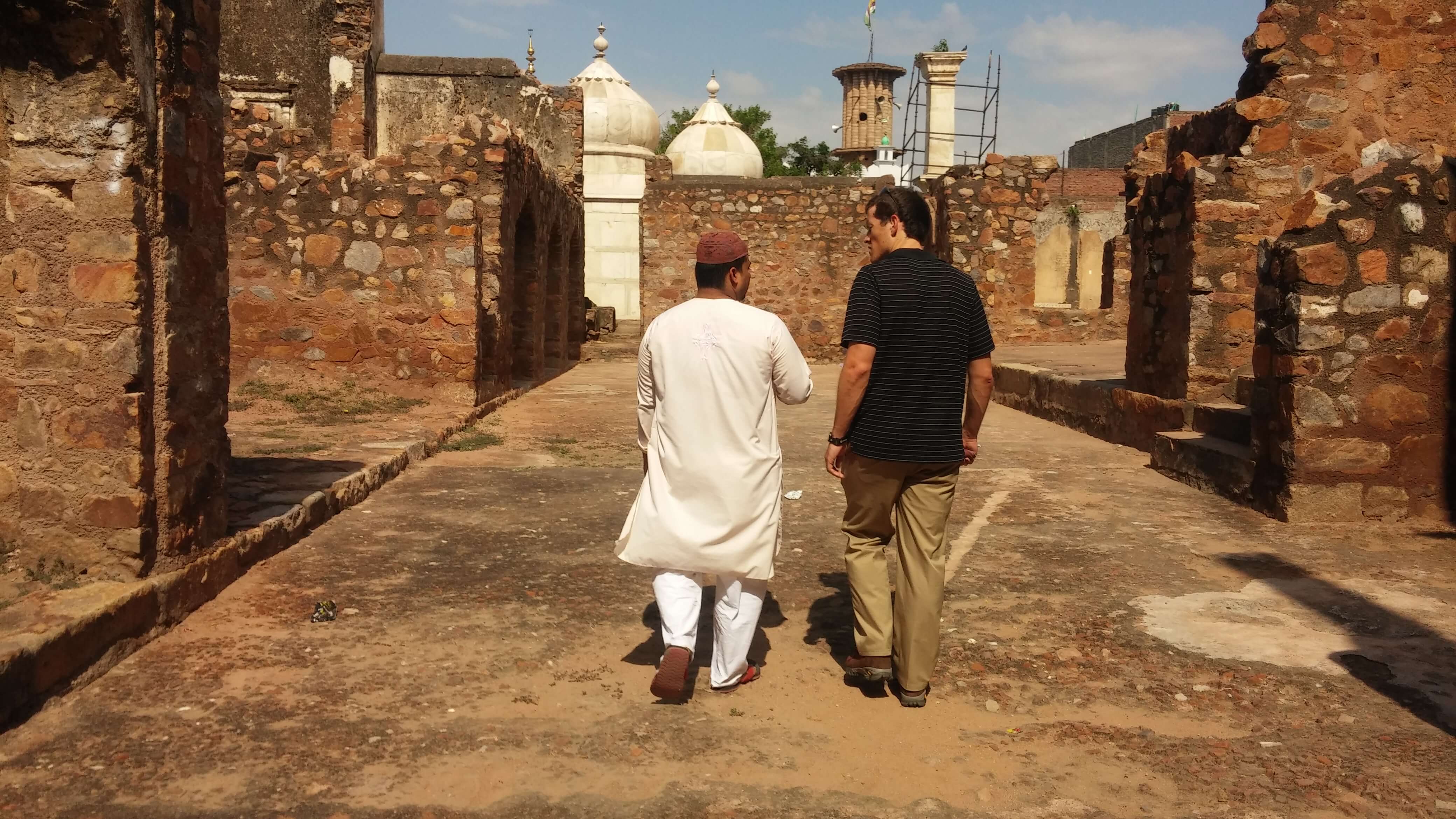
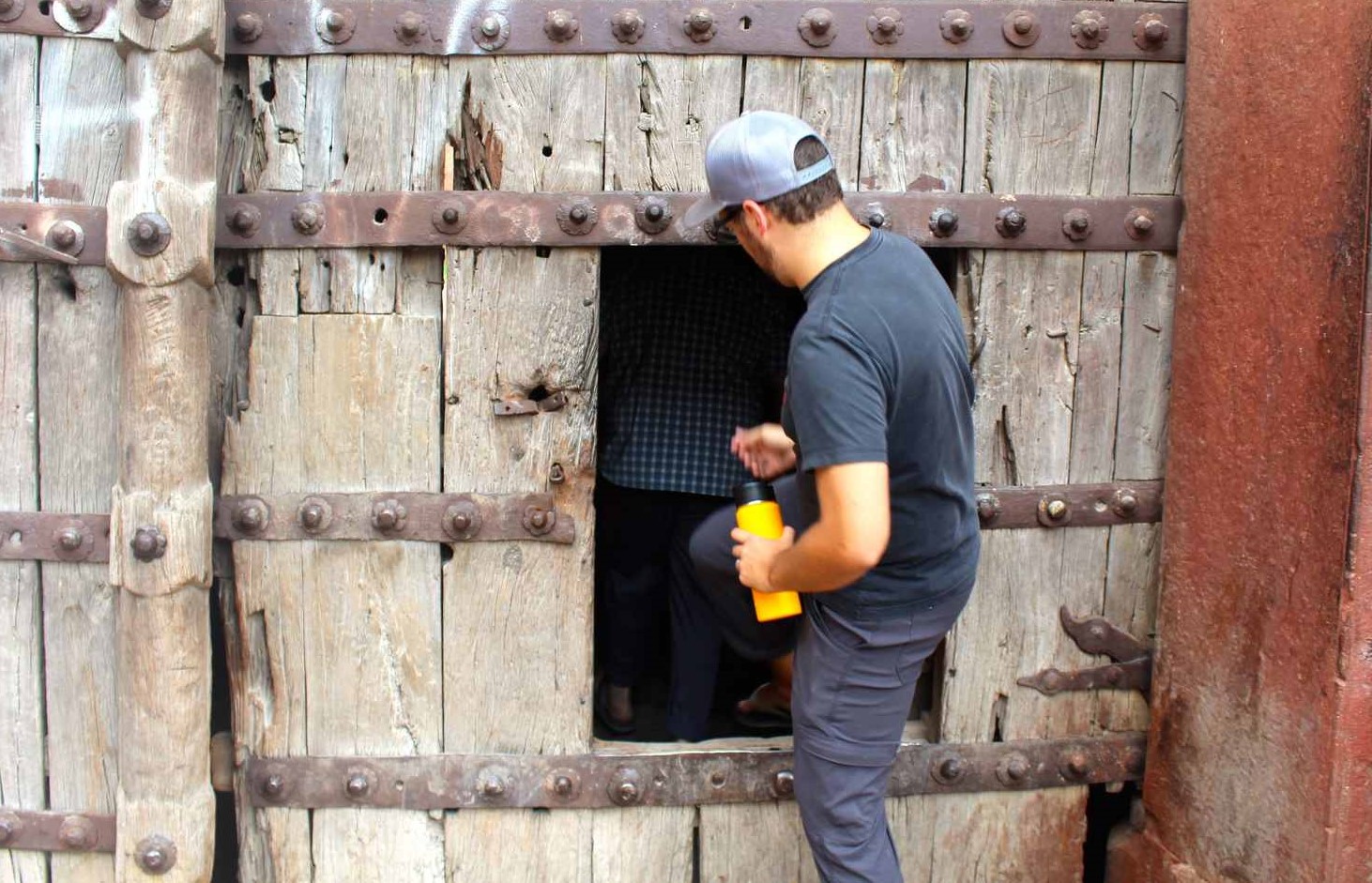
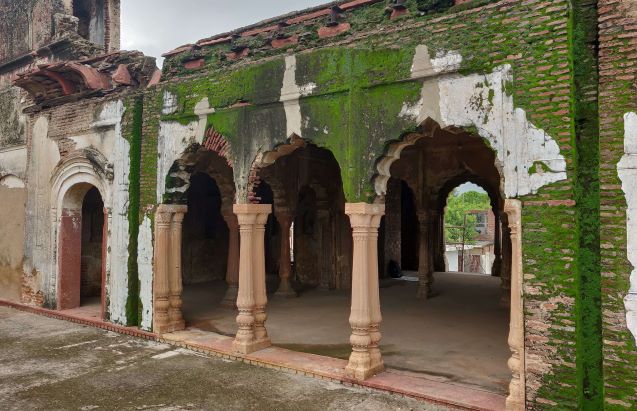
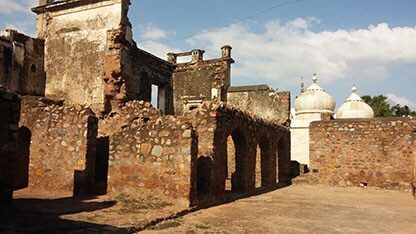
While the landscape has drastically changed since these days, the ruins of the Zafar Mahal ('Victory Palace') still stand. Its main gate rises upwards announcing the grandeur of old. Built by Akbar Shah II, it was later inhabited by Bahadur Shah Zafar II from whom it received its name, meaning 'Victory Palace'.
Zafar II, the final Mughal Emperor, represents a turning point in Mehrauli and Indian history as the British initiated their political rule over the country. A devoted Sufi, Zafar II desired to be buried along the edge of the palace beside his private masjid (Moti Masjid) and the Dargah of Khwala Qutubiddin Bakhtiar Kaki. But he was deported to Burma (now Myanmar) by the British where he lived out the remainder of his days and was buried.
His tomb bears this simple Sufi poem:
Kitna hai badnaseeb Zafar! Dafn ke liye,
(How unlucky is Zafar! For burial,)
Do gaz zameen bhi mil na saki kuye yaar mein.
(even two yards of land were not to be had in his beloved land.)
Today, an empty plot absent of its rightful occupant lays in the Zafar Mahal graveyard, and the palace of the long displaced emperor remains as a still reminder of time past.
While the landscape has drastically changed since these days, the ruins of the Zafar Mahal ('Victory Palace') still stand. Its main gate rises upwards announcing the grandeur of old. Built by Akbar Shah II, it was later inhabited by Bahadur Shah Zafar II from whom it received its name, meaning 'Victory Palace'.
Zafar II, the final Mughal Emperor, represents a turning point in Mehrauli and Indian history as the British initiated their political rule over the country. A devoted Sufi, Zafar II desired to be buried along the edge of the palace beside his private masjid (Moti Masjid) and the Dargah of Khwala Qutubiddin Bakhtiar Kaki. But he was deported to Burma (now Myanmar) by the British where he lived out the remainder of his days and was buried.
His tomb bears this simple Sufi poem:
Kitna hai badnaseeb Zafar! Dafn ke liye,
(How unlucky is Zafar! For burial,)
Do gaz zameen bhi mil na saki kuye yaar mein.
(even two yards of land were not to be had in his beloved land.)
Today, an empty plot absent of its rightful occupant lays in the Zafar Mahal graveyard, and the palace of the long displaced emperor remains as a still reminder of time past.
Quick Reference
- Period: 18th Century
- Hours: 10 AM - 6 PM
- Cost: 0
- Attire: No Special Requirements

Abdul Haq Muhaddis Dehlavi Dargah
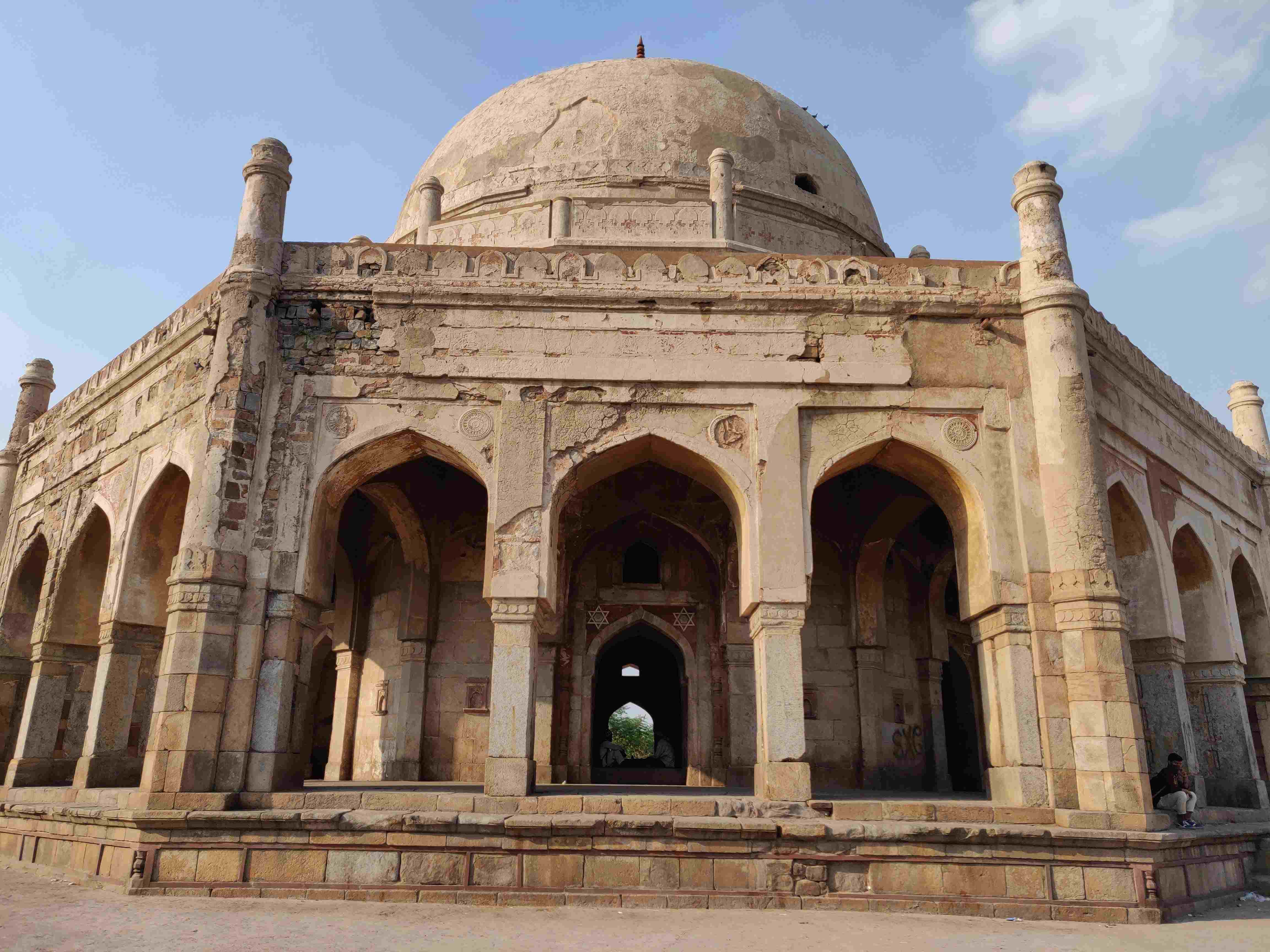
Adham Khan's Tomb (Bhool Bhulaiya)
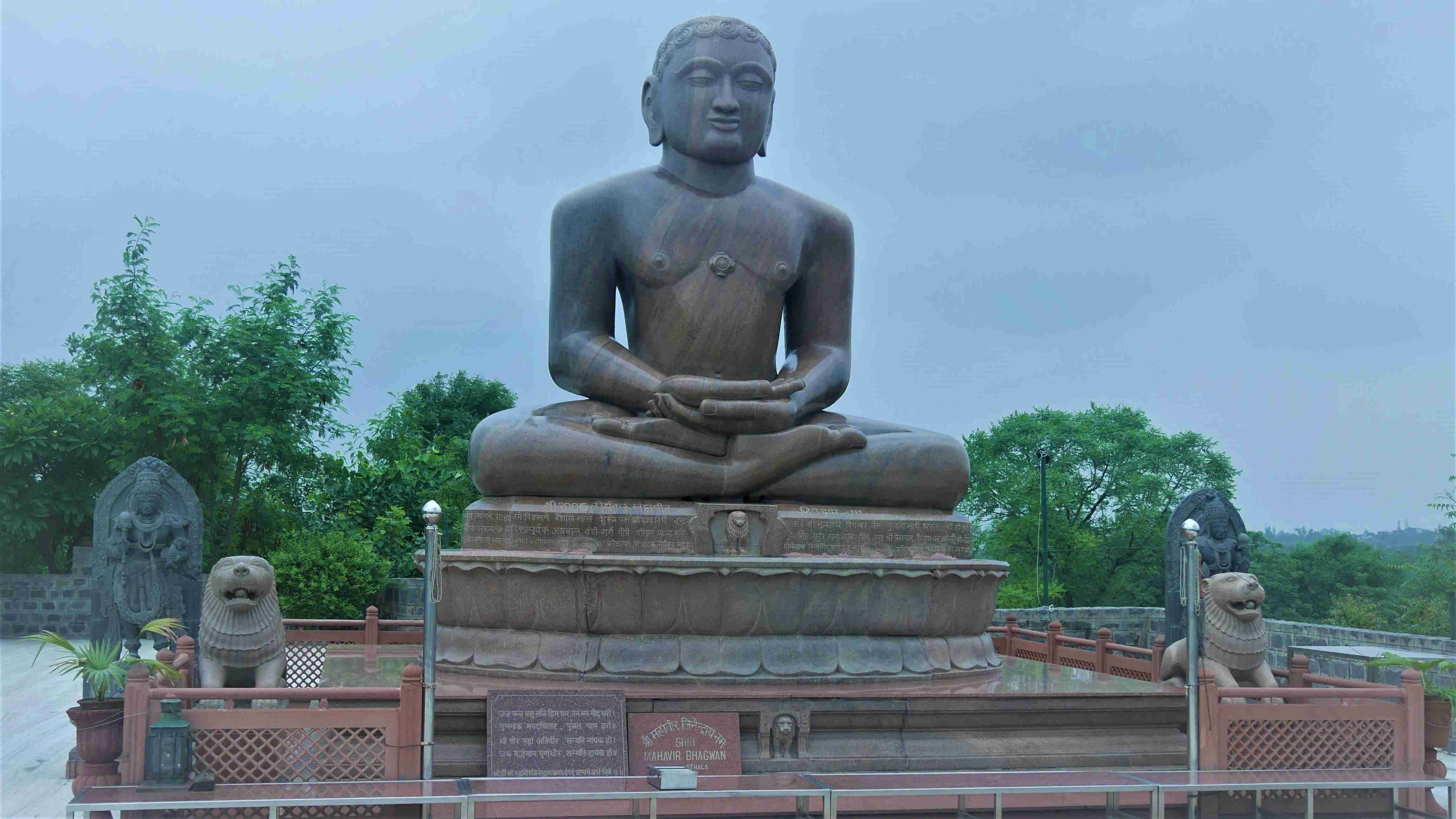
Ahinsa Sthal
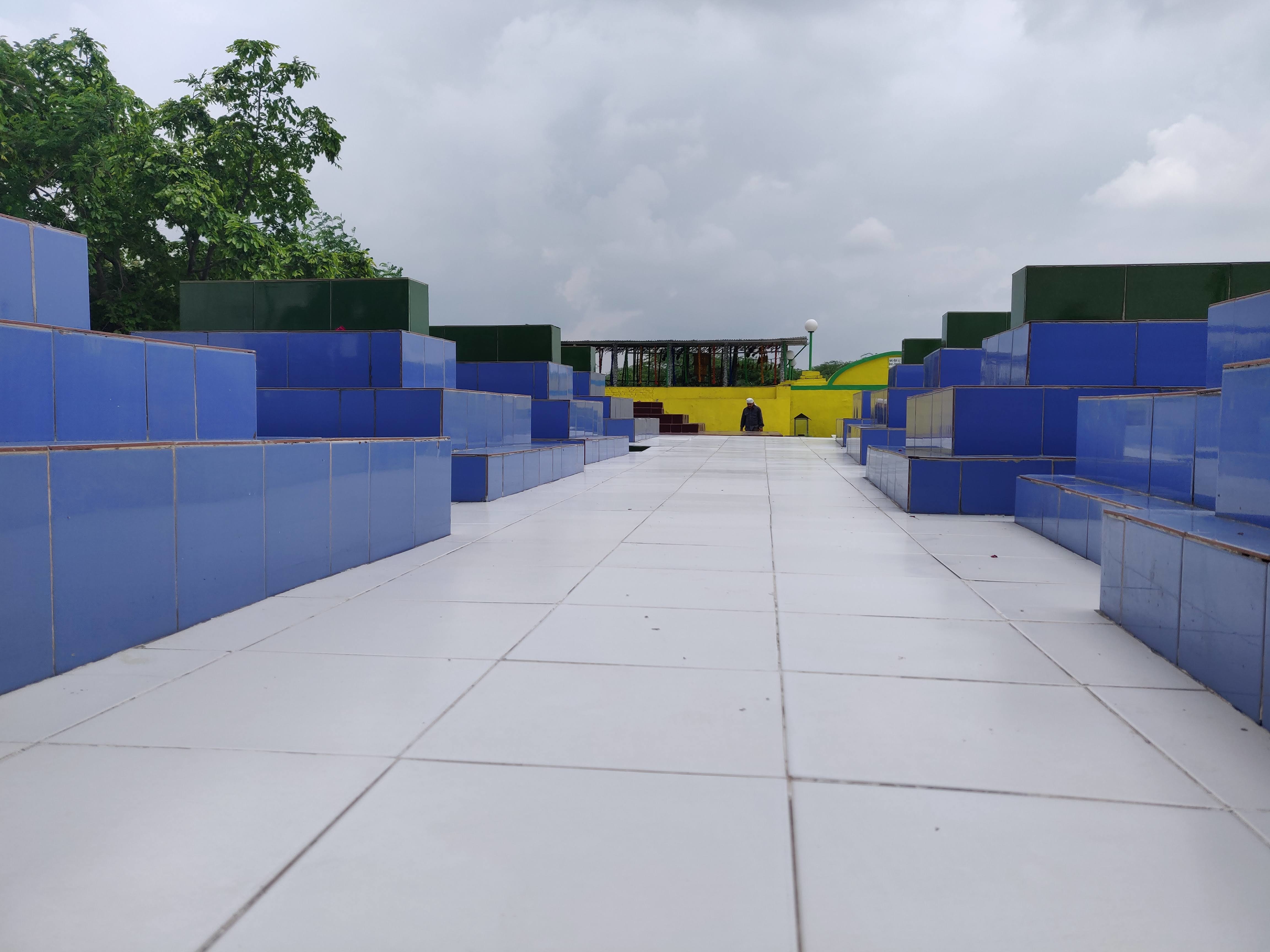
Ashiq Allah Dargah
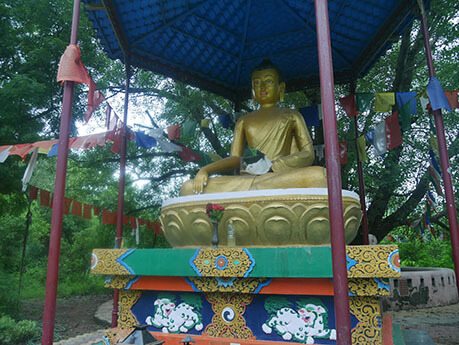
Ashoka Mission
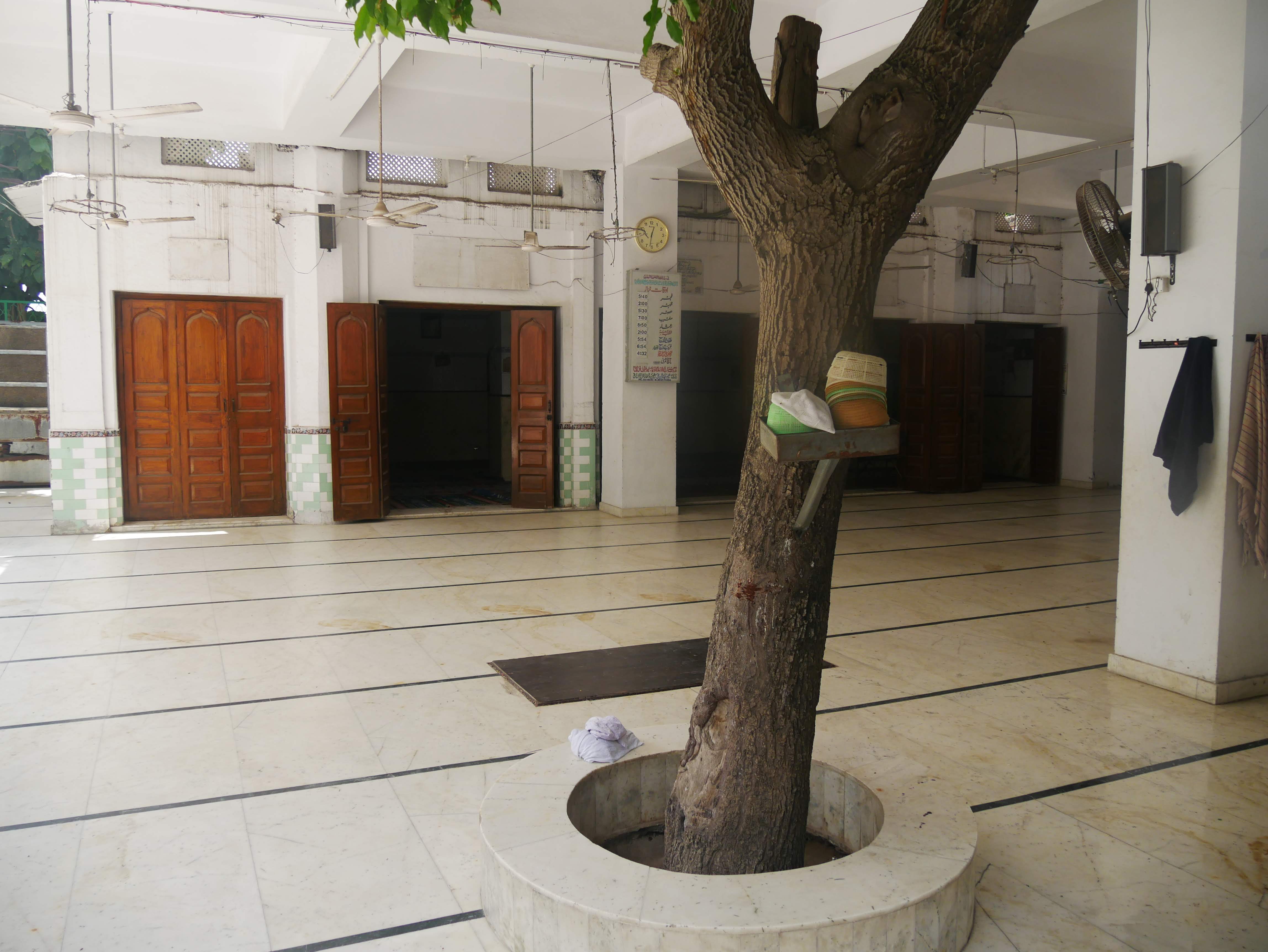
Auliya Masjid
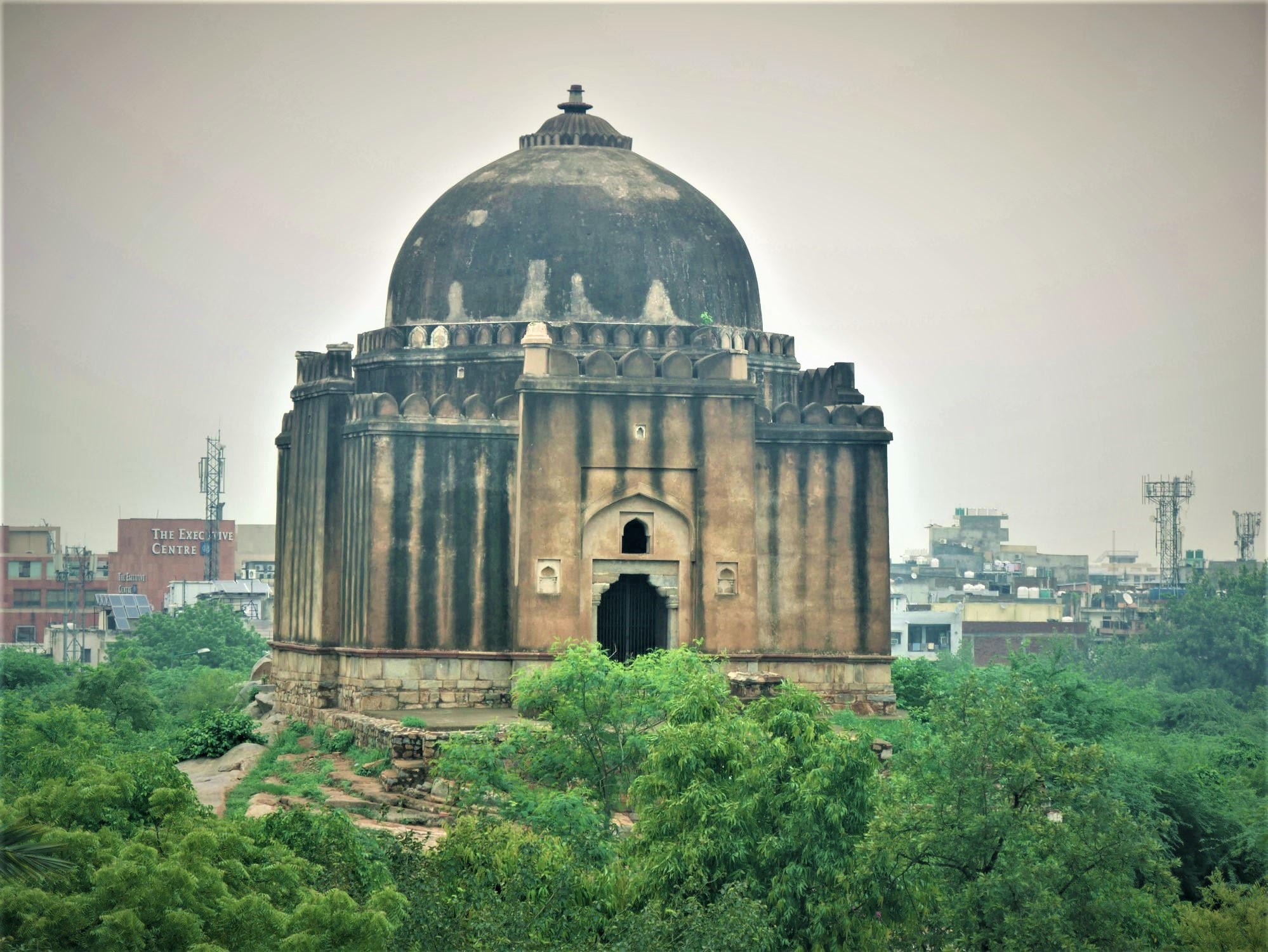
Azim Khan Tomb
Baba Banda Singh Bahadur Memorial and Gurudwara
Balban's Tomb
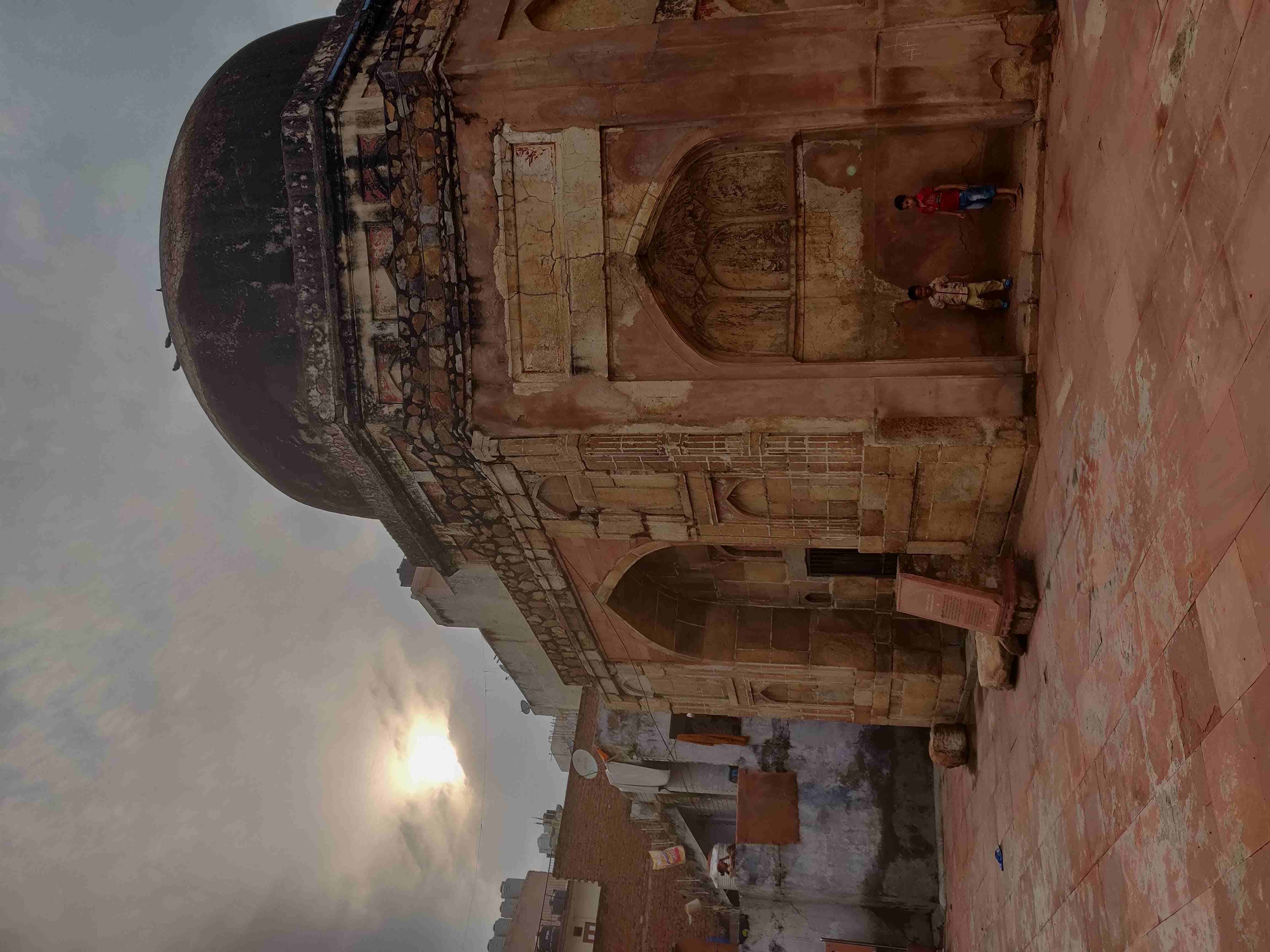
Chaumachi Khan's Tomb
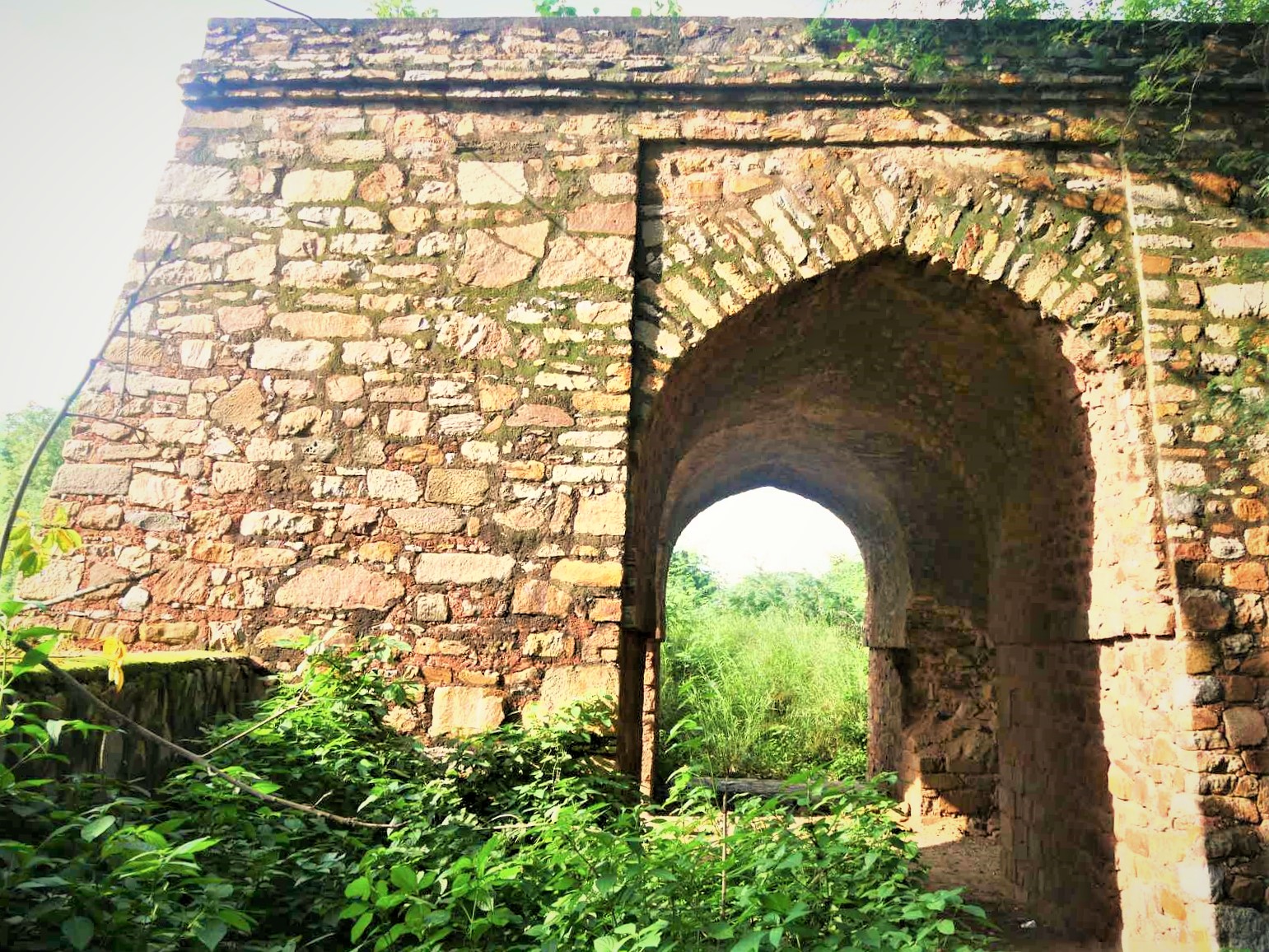
Chaumukha Darwaza
Eidgah
Gandhak Ki Baoli
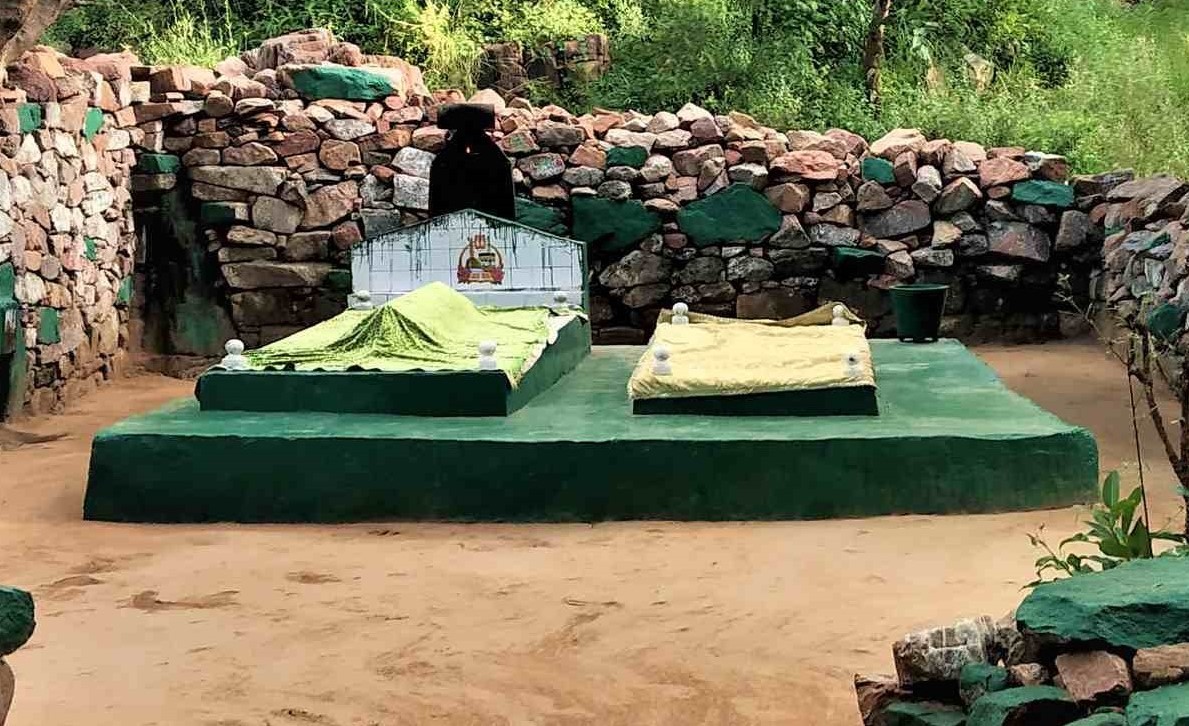
Haji Rozbih Dargah
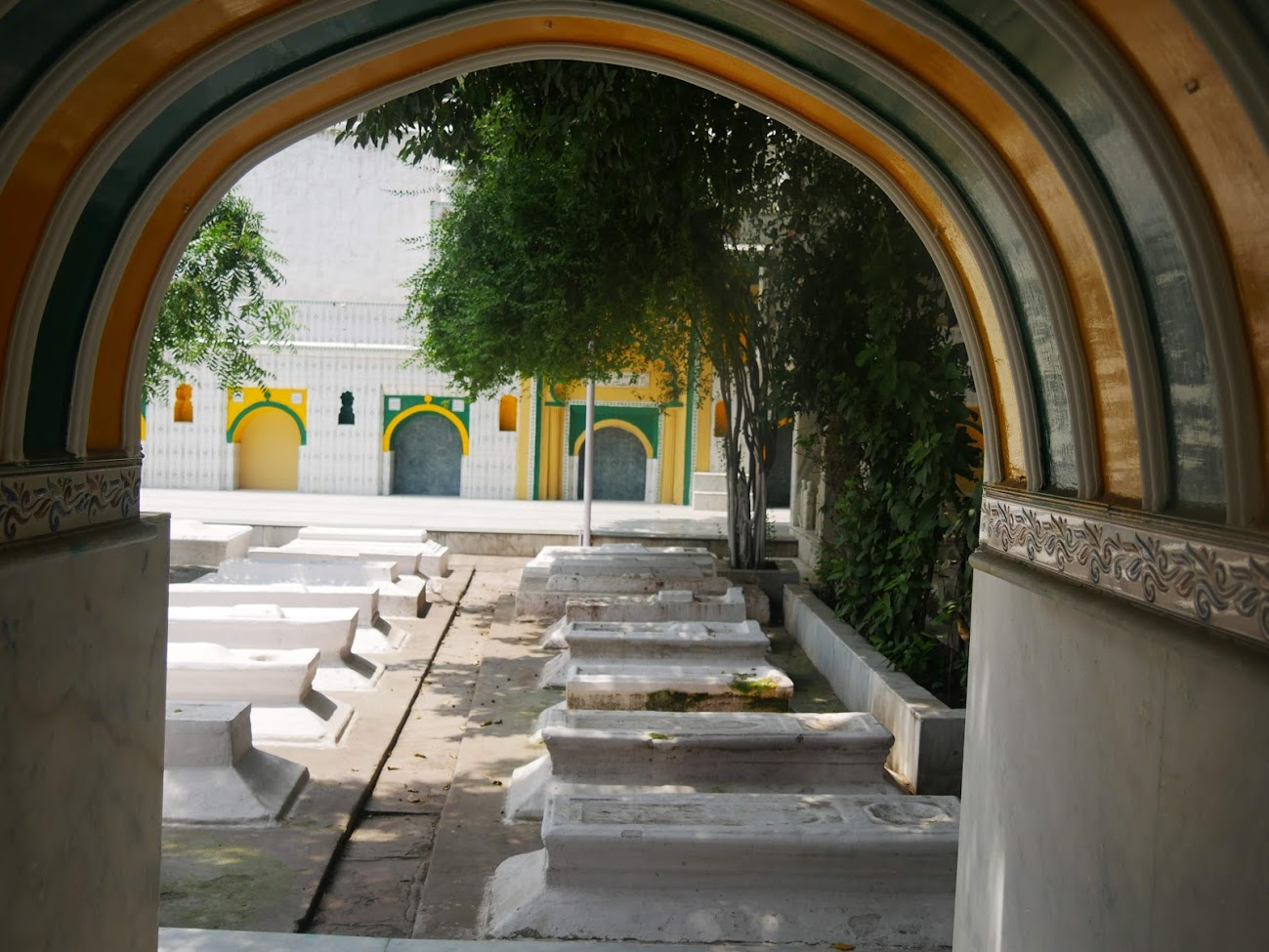
Hijron Ki Khanqah
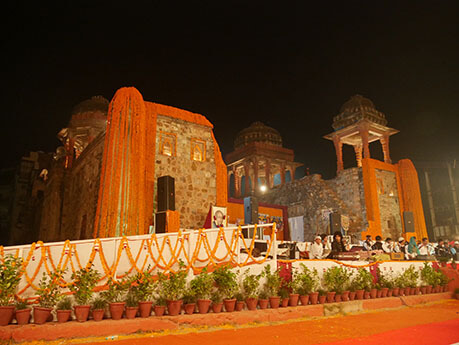
Jahaz Mahal
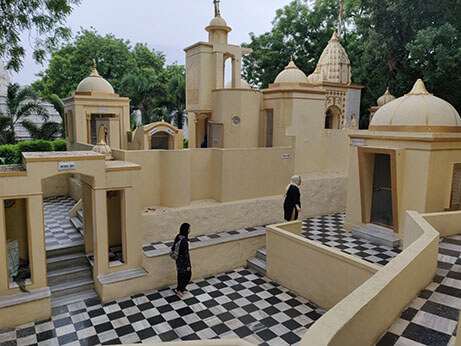
Jain Mandir Dadabari
Jama Masjid Karmia
Jamali Kamali Mosque & Tomb
Jharna
Lal Kot
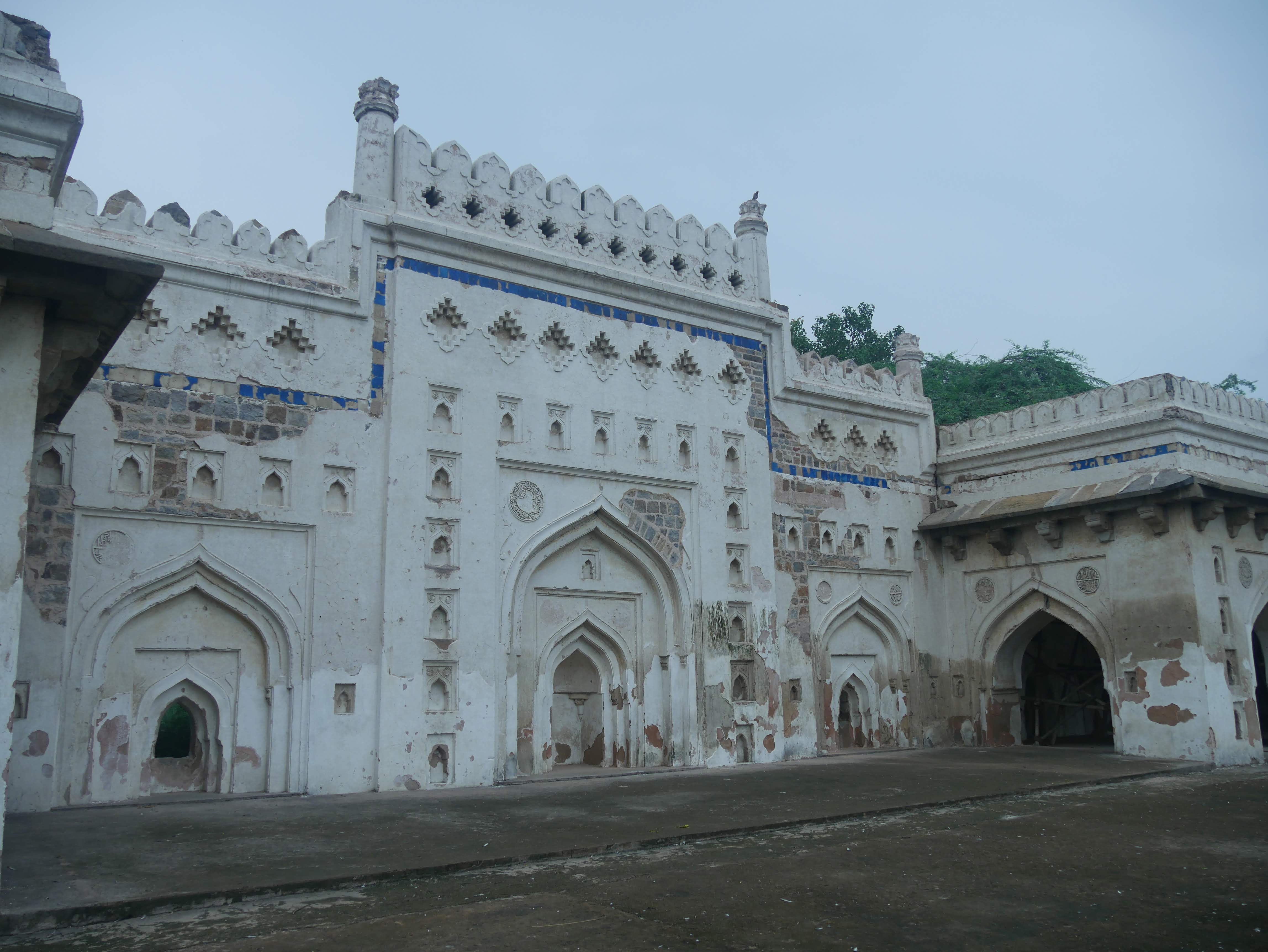
Madhi Masjid (Mosque)
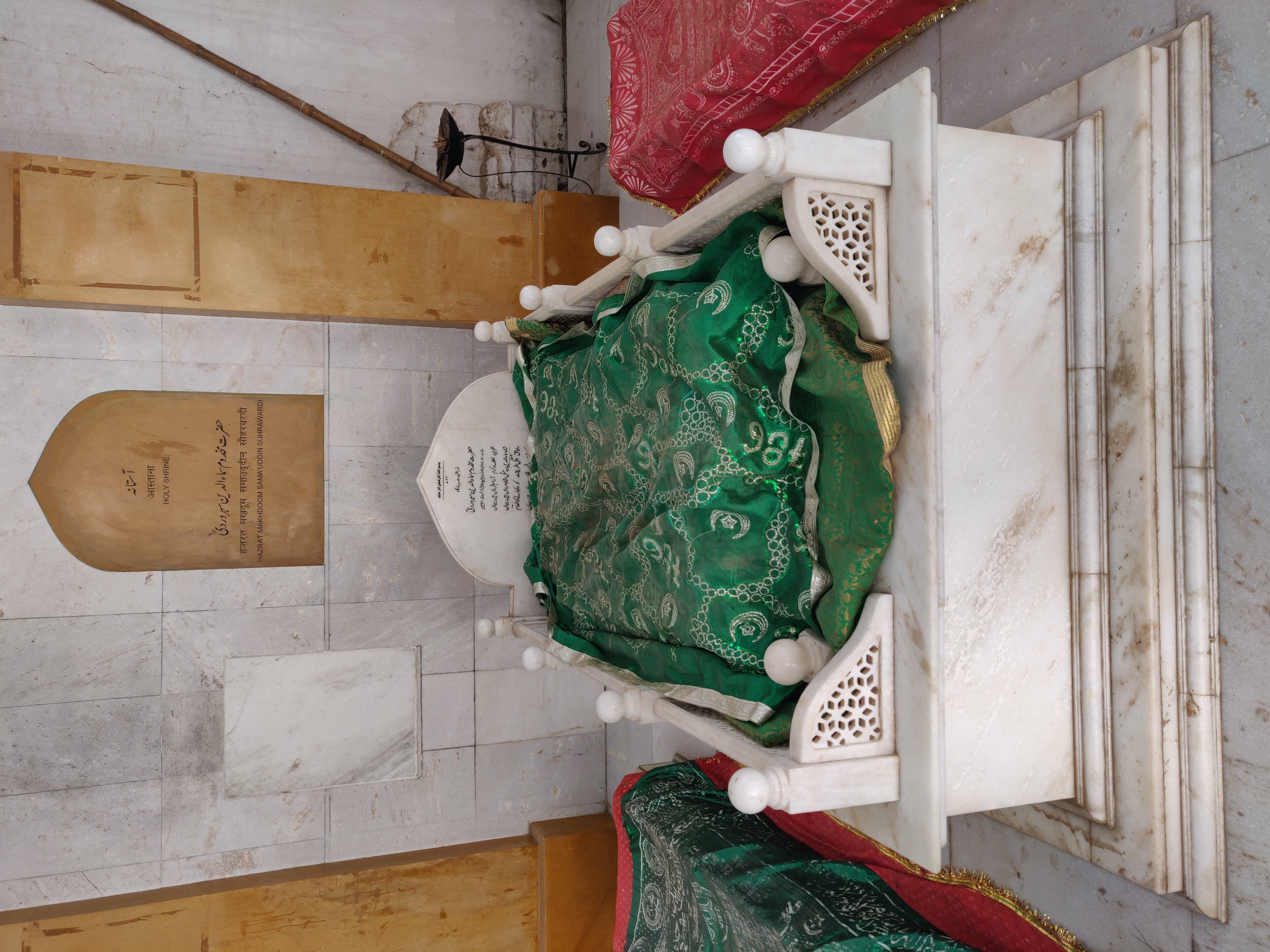
Maqdum Shah Dargah
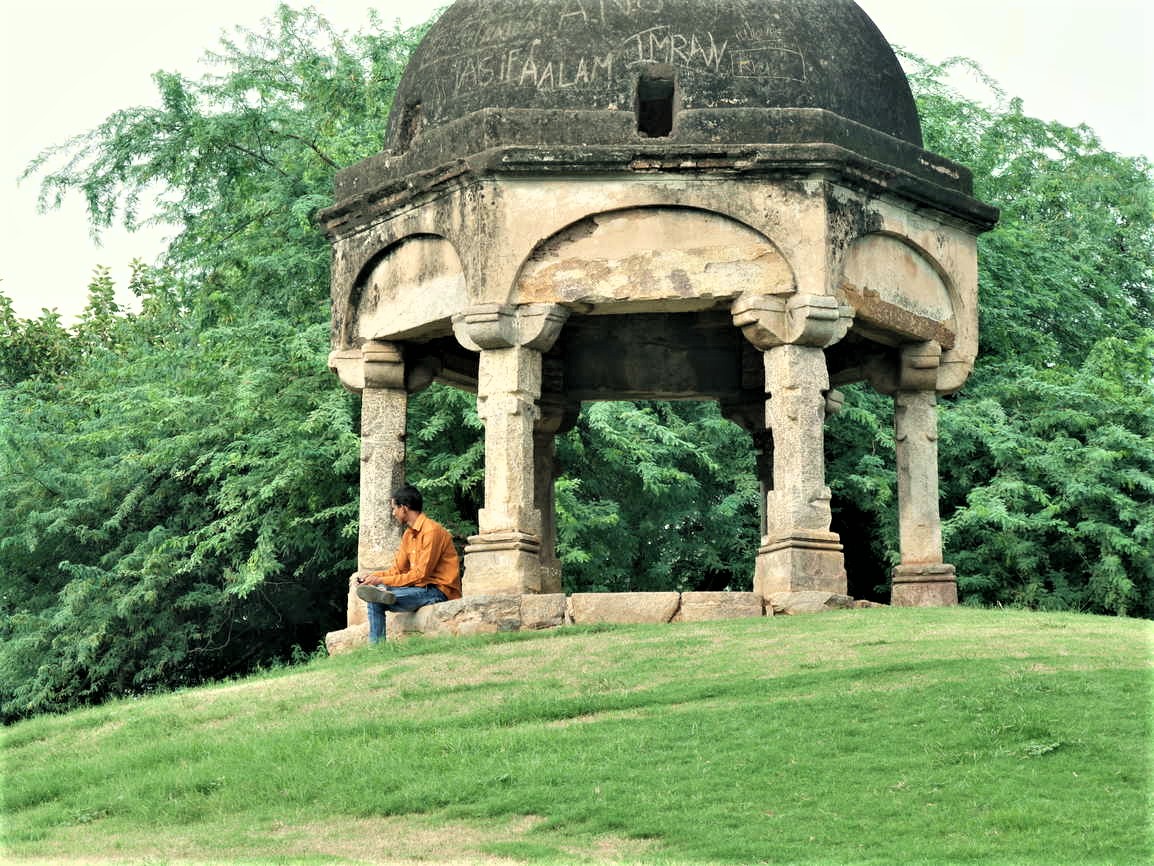
Metcalfe's Canopy
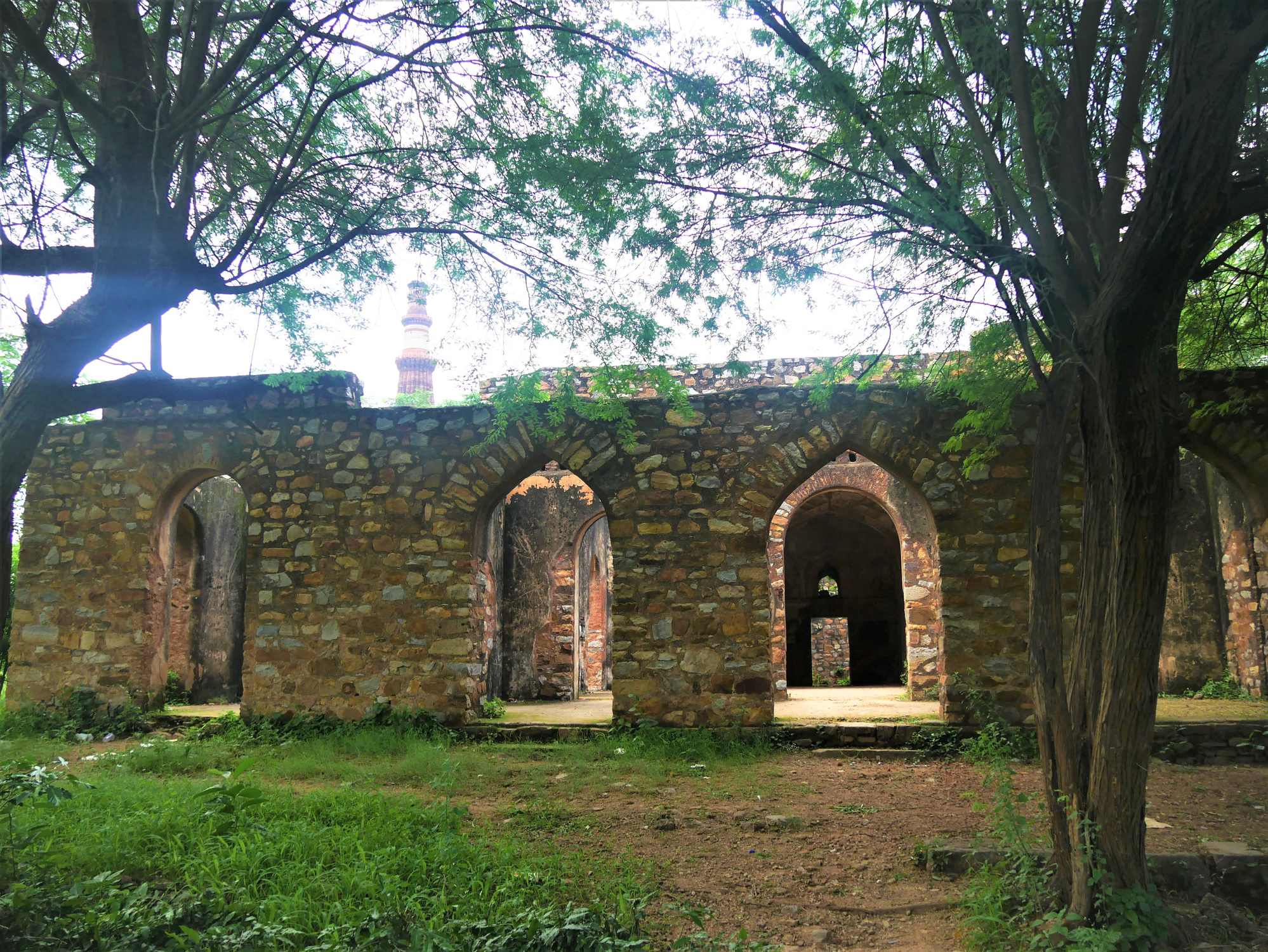
Metcalfe's House
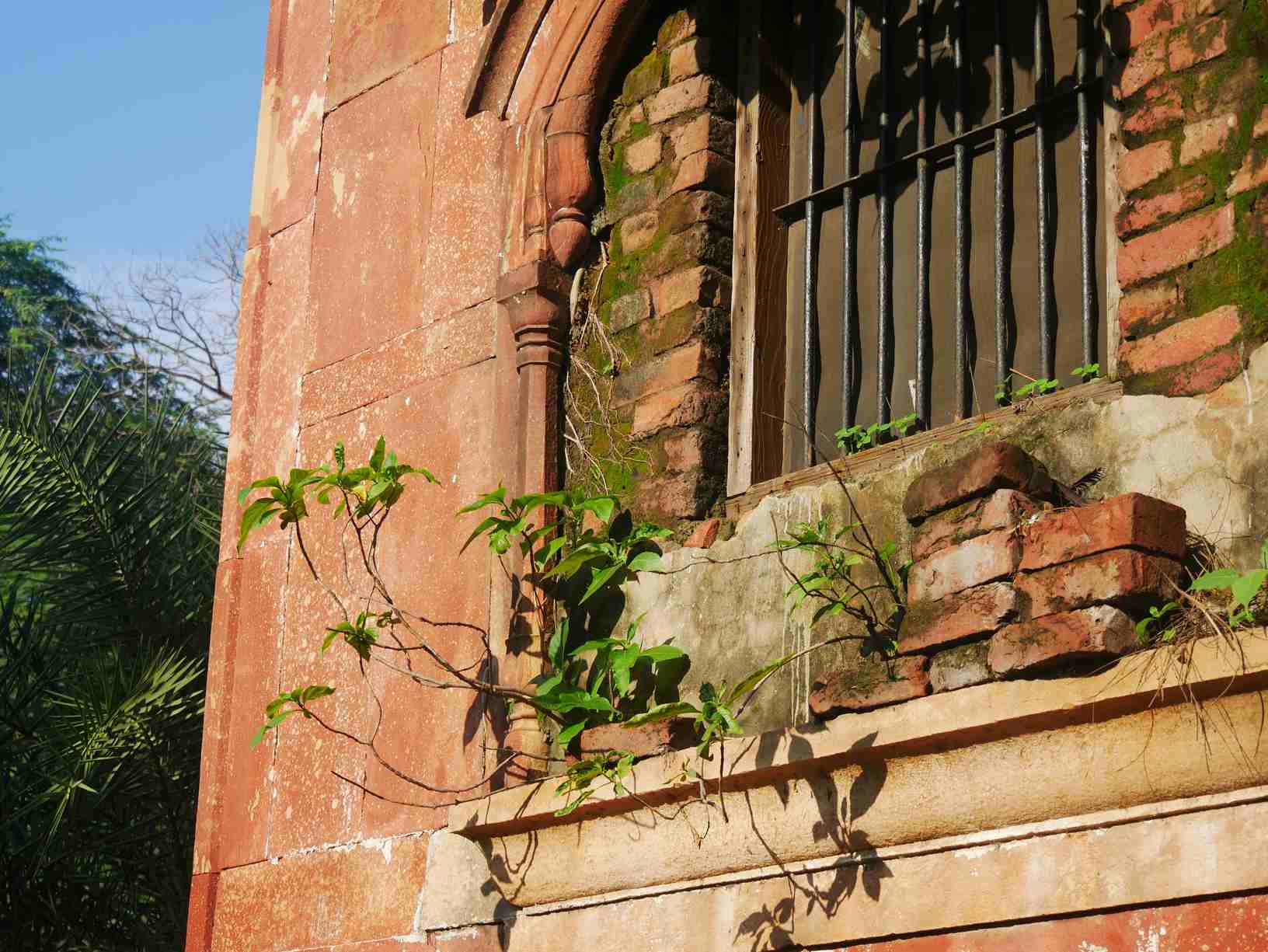
Nazir Ka Bagh
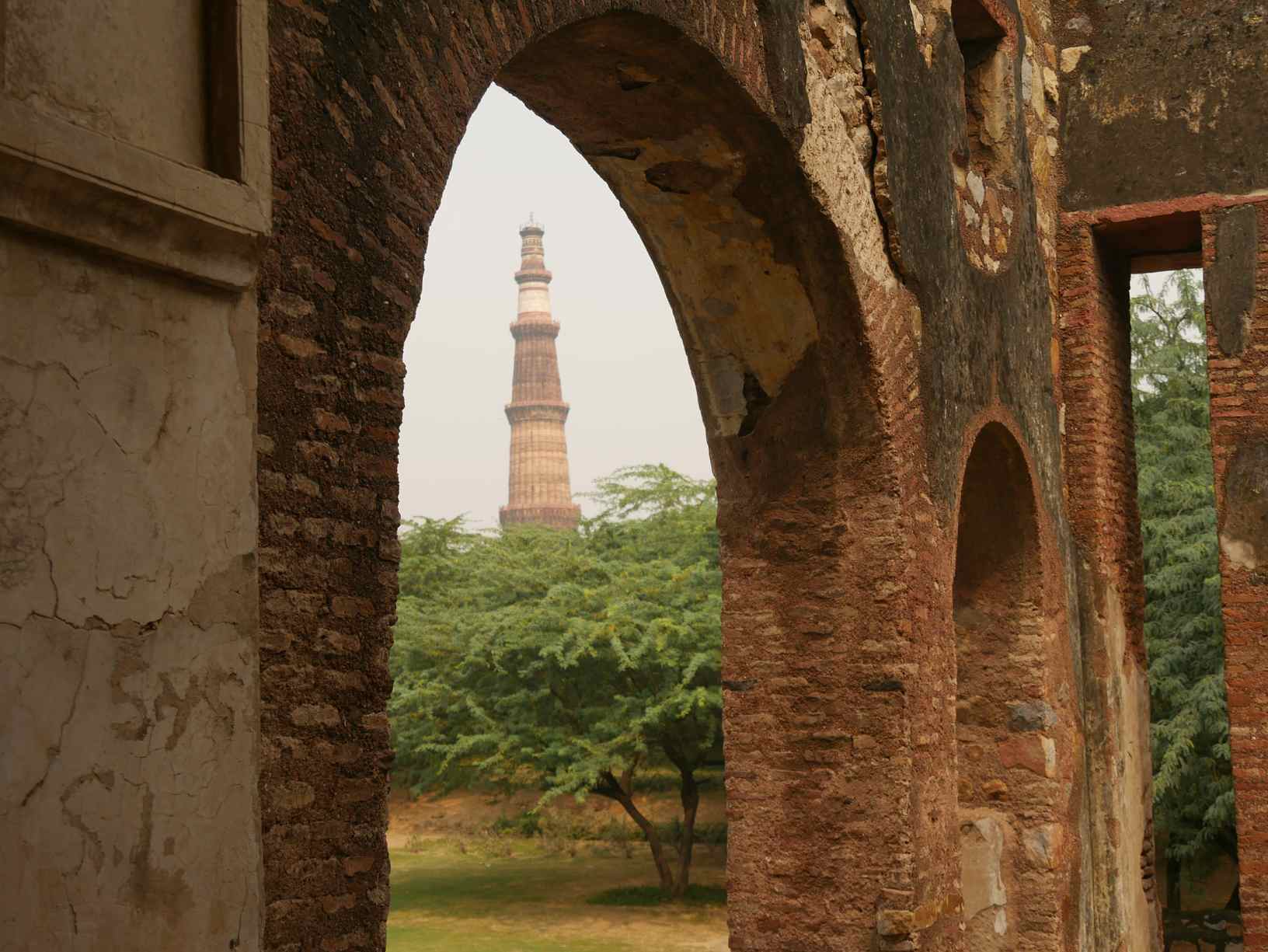
Quli Khan's Tomb (Dilkhush Treat)
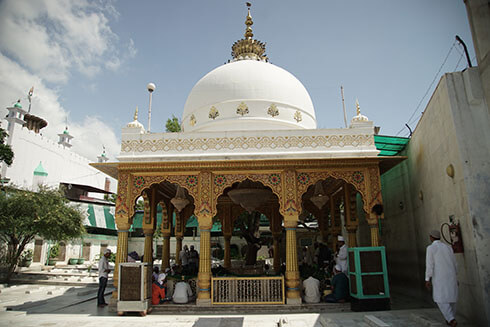
Qutbuddin Baktiyar Kaki Dargah
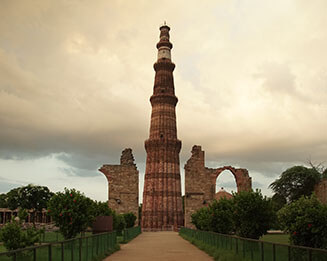
Qutub Minar
Qutub Sahab Ki Baoli
Rajon ki Baoli
Sabzi Mandi
Sanjay Van
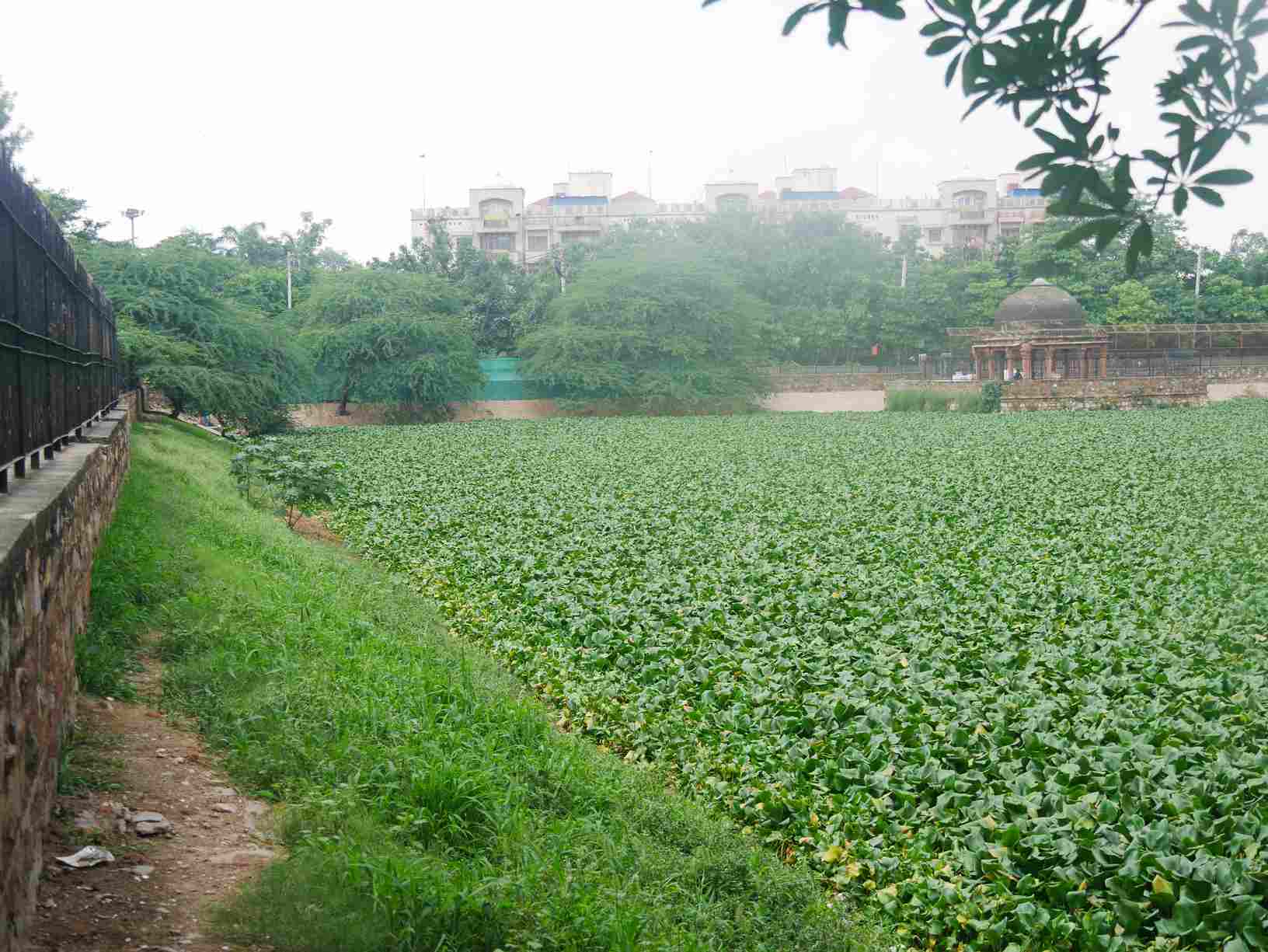
Shamsi Talab
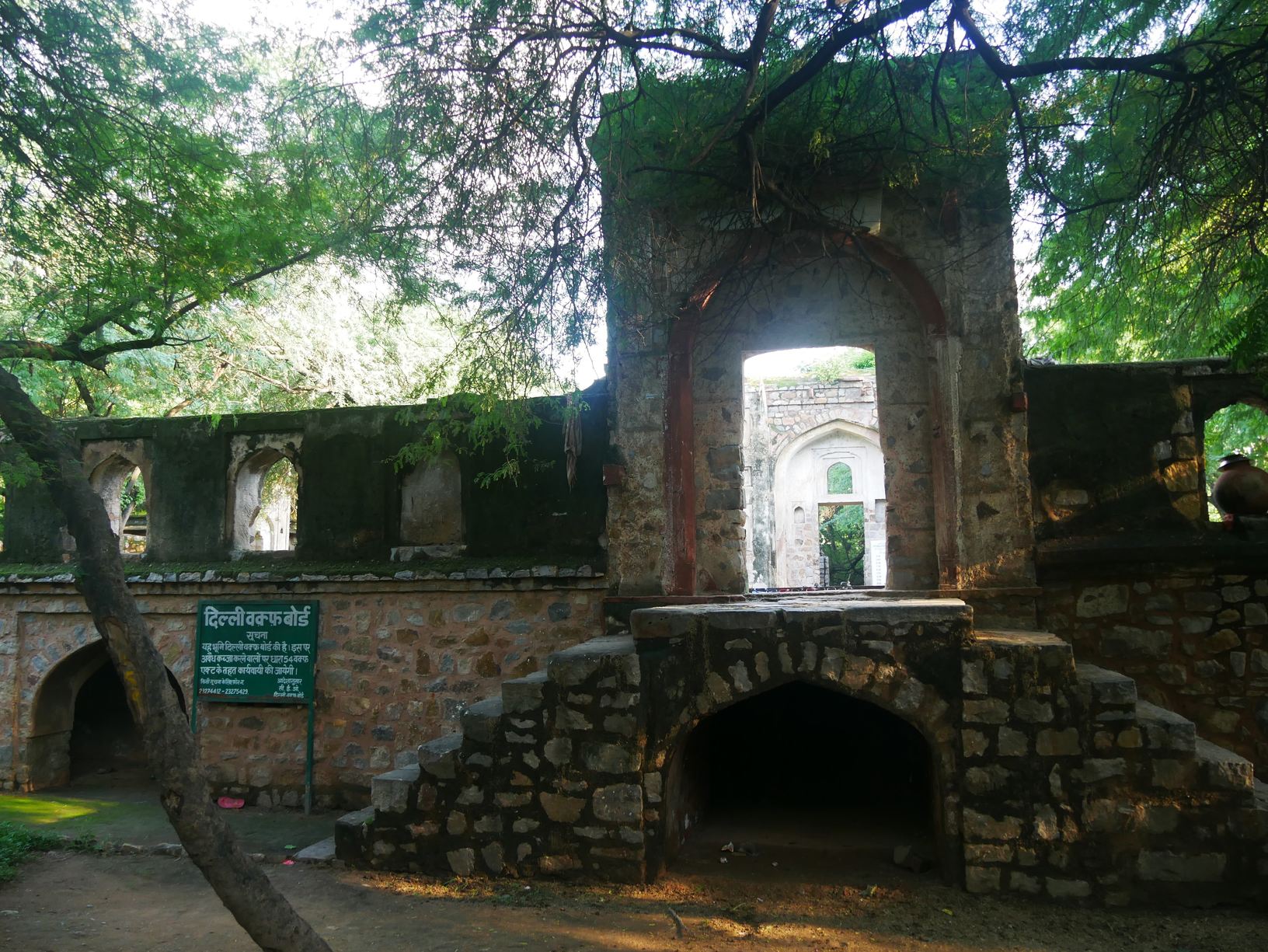
Sohailwali Masjid
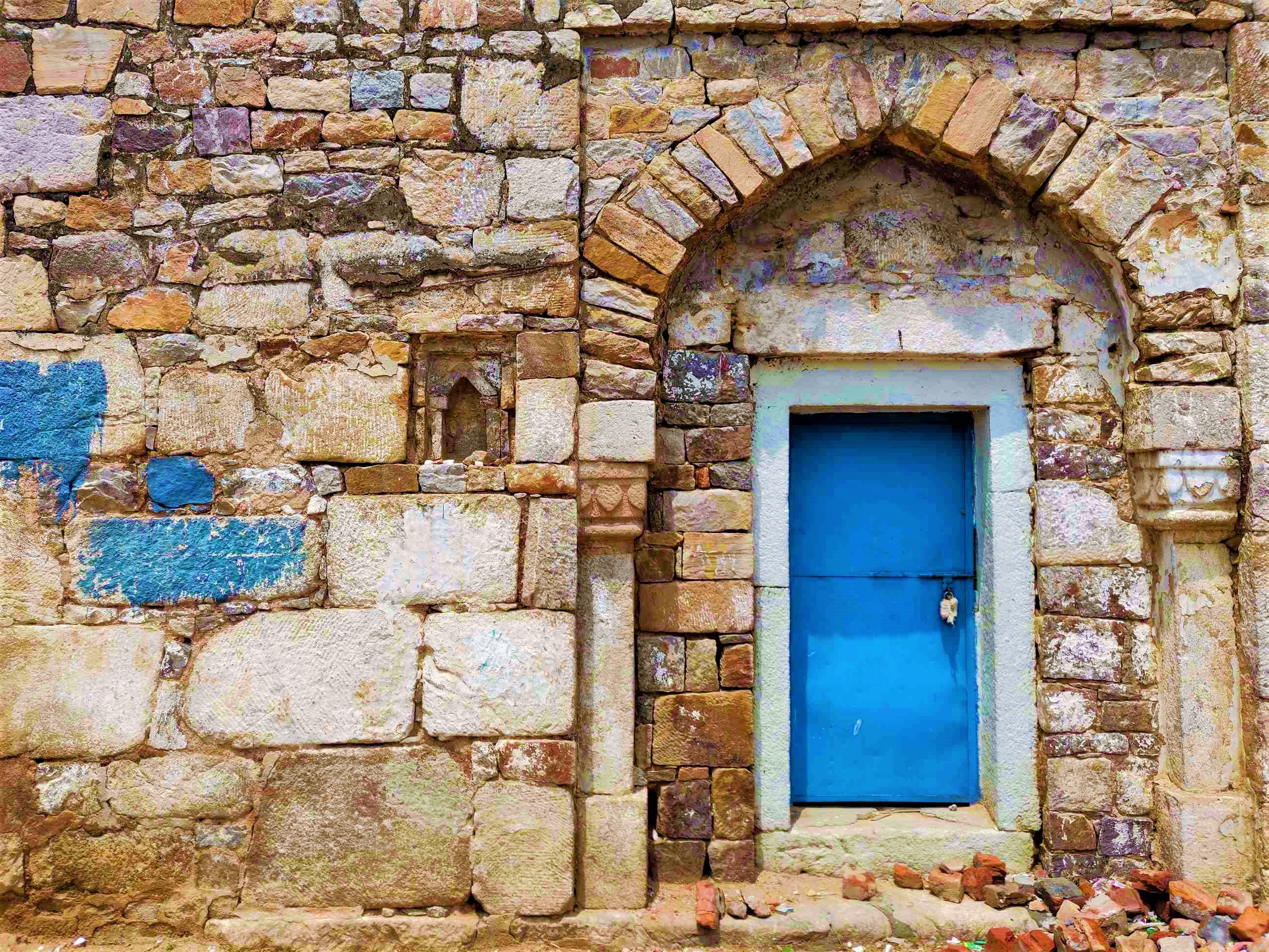
Son Burj Masjid
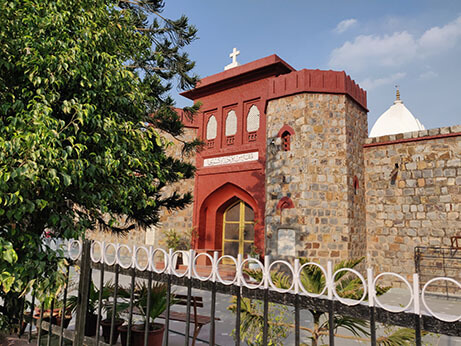
St. John's Church
Yogmaya (Jogmaya) Temple
Zafar Mahal